
The Odorare Circle
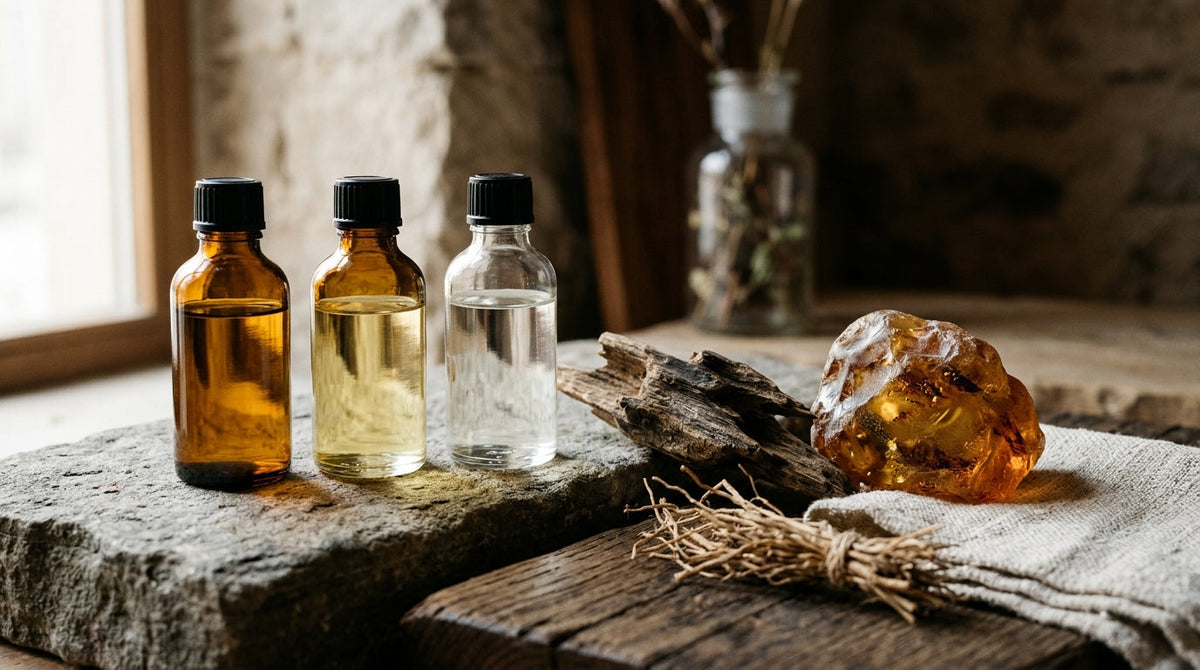
Synthetic molecules in perfume: what are they used for
A synthetic molecule is not a cheap substitute for a natural ingredient: it is a tool that the nose uses to achieve an effect that no single plant can produce. Iso E Super, ambroxan, and ethyl malt...
Read more
Oud and rose: why this pairing has stood the test of time
The oud and rose accord is not a recent trend: it dates back to the trade routes connecting the Middle East to Southeast Asia, and to documented uses from the Ottoman court to contemporary Arabian ...
Read more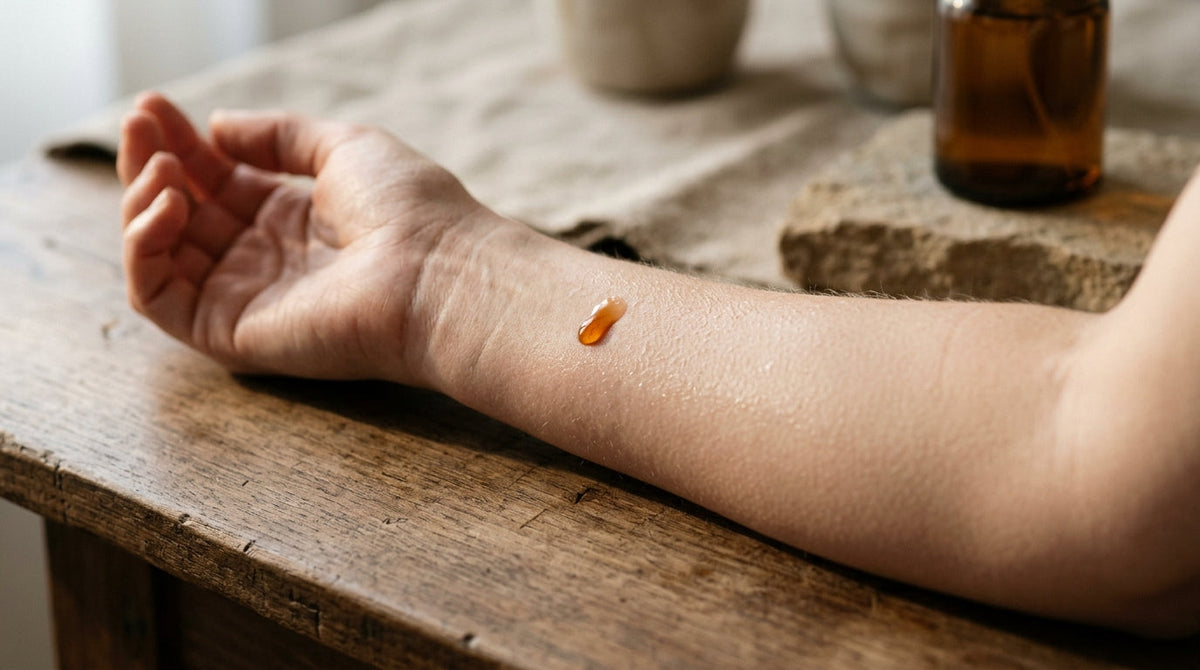
Why a different scent depending on each person's skin
Two people wearing the same perfume never smell exactly the same: this is not a myth, but the result of identifiable factors. Skin hydration, body temperature, diet, olfactory familiarity: each pla...
Read more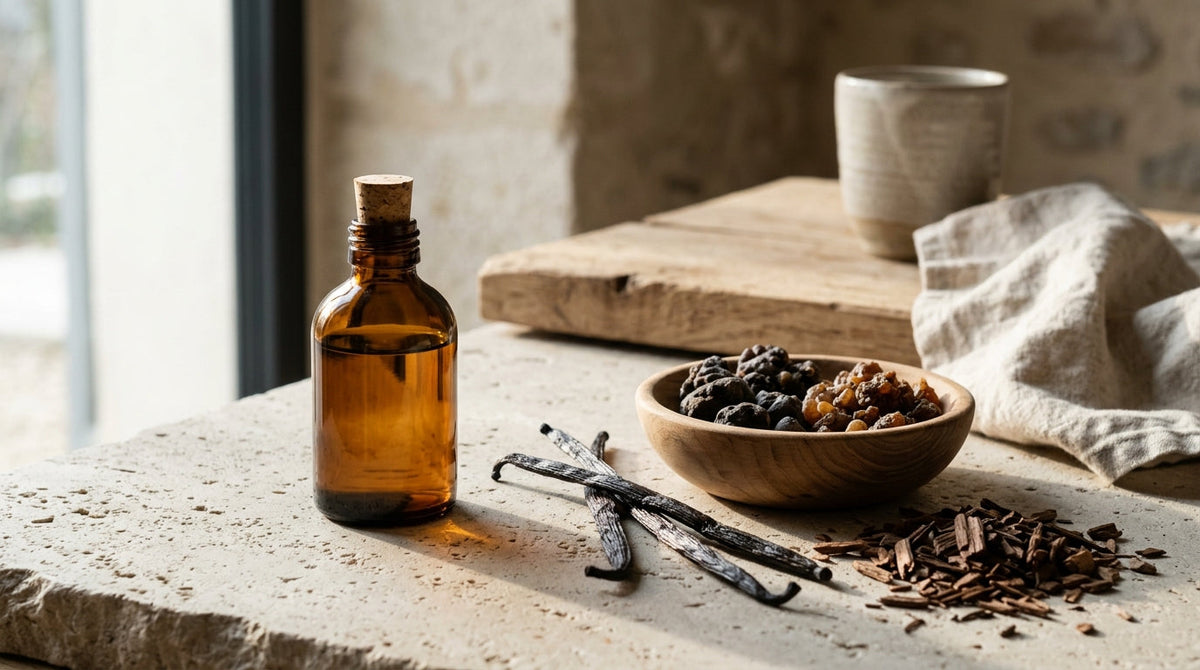
Why does a niche perfume cost more?
The price of a niche perfume can be explained by specific cost factors: a higher concentration of fragrance materials, natural ingredients purchased in small quantities, and smaller production batc...
Read more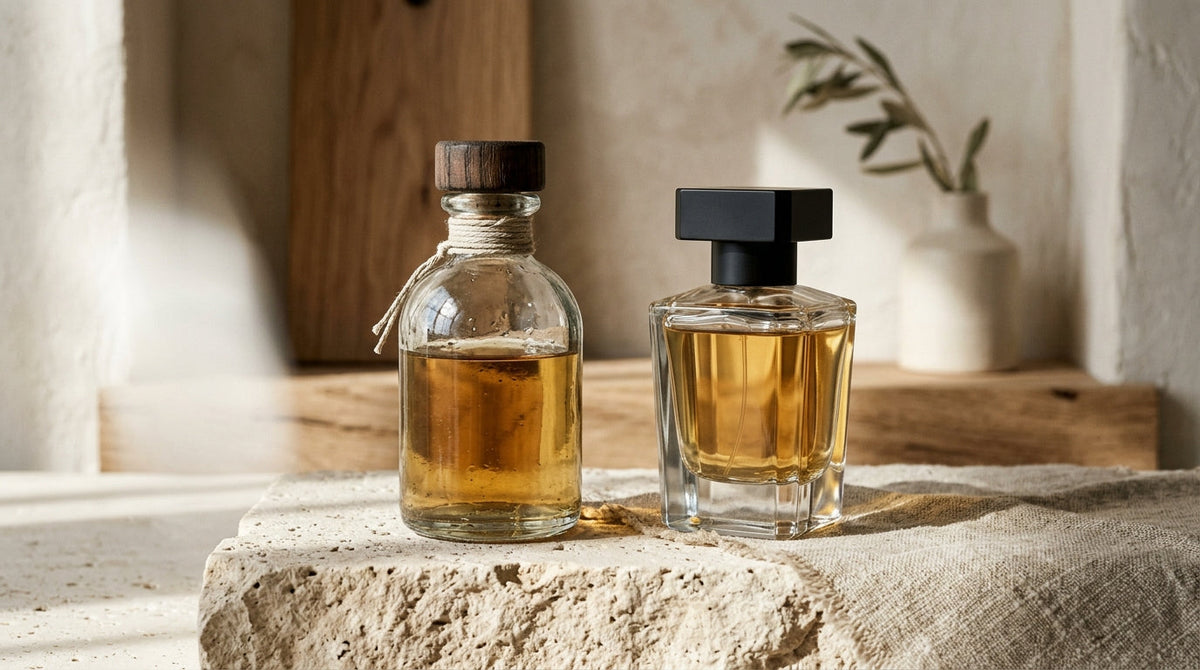
Niche or designer: does the line still exist?
The distinction between niche and designer fragrance is no longer a matter of a single word on the label. It lies in the composition, the distribution channels, and the way a bottle is conceived, f...
Read more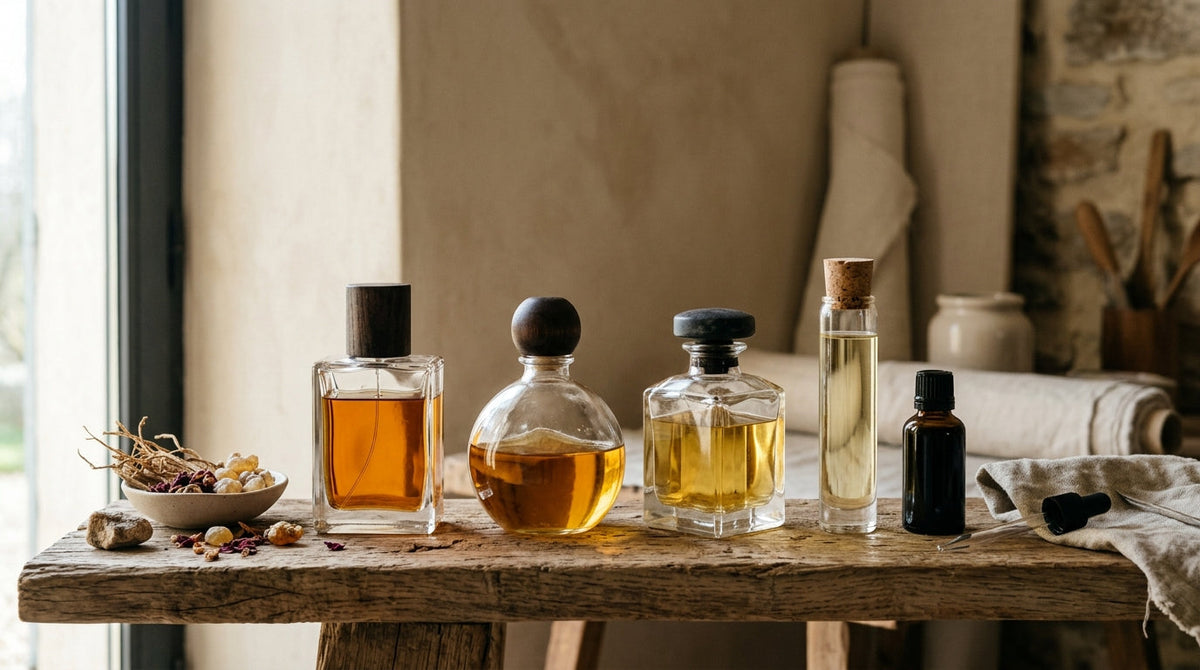
Niche perfumery is not a question of price or packaging: it is a way of distributing, composing, and producing. Three criteria truly distinguish it from mass-market perfumery: selective distributio...
Read more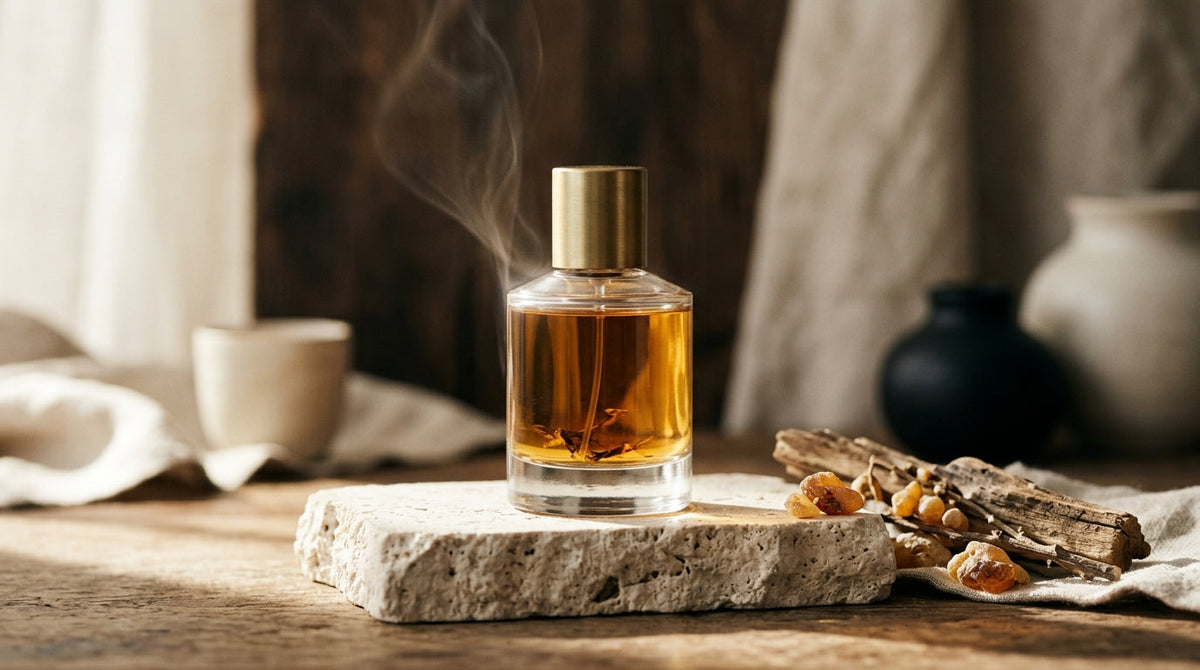
Longevity and sillage: what really determines them
The longevity of a fragrance does not depend on a single secret, but on several factors that combine: the concentration of fragrance oils, the nature of the raw materials, the skin wearing it, and ...
Read more
The fragrance pyramid: top, heart, base
The fragrance pyramid describes how a perfume changes scent over the course of several hours, in three stages: top, heart, and base notes. This structure is based on the evaporation rate of the raw...
Read more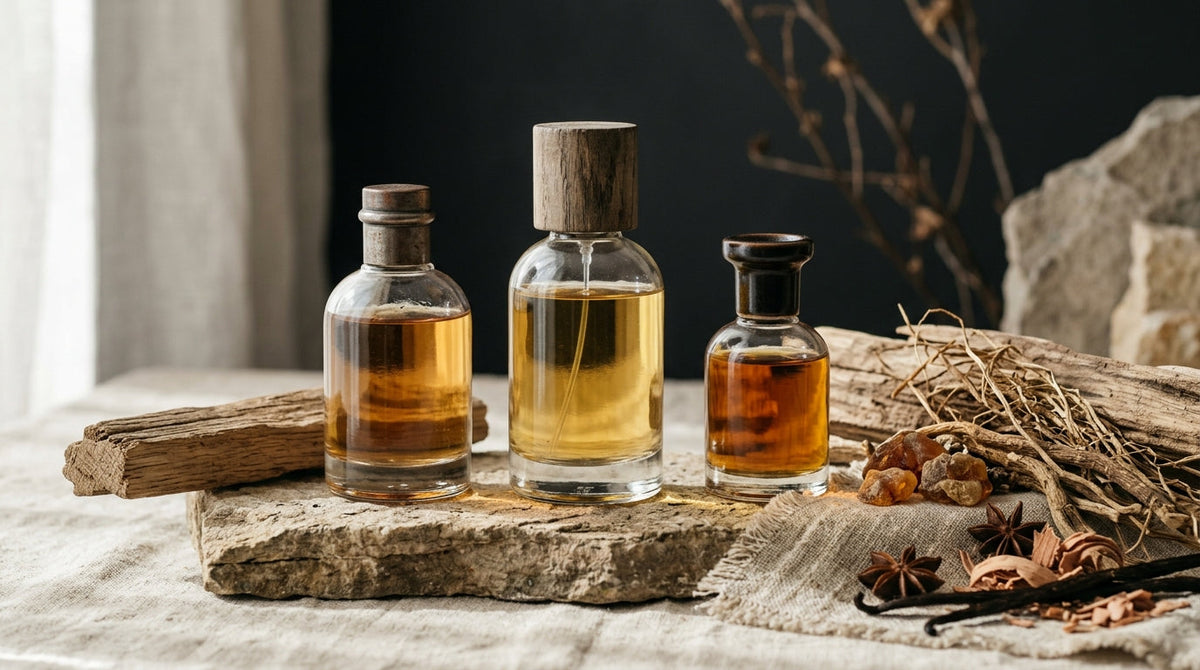
Eau de toilette, eau de parfum, extrait: the differences
Eau de toilette, eau de parfum, extrait: these three terms first of all refer to one simple thing, the concentration of fragrance oil in the alcohol. This concentration changes the longevity, inten...
Read more
Olfactory families explained simply
A fragrance family brings together perfumes that share a common dominant note: woody, floral, amber, gourmand… This classification, used throughout the industry, is primarily intended to help compa...
Read more
Niche & Exceptional Fragrances

Services and advice

France & International Delivery
Free pickup point · Free Colissimo delivery from €50

Free samples

Official Seller – Certified
