
The Odorare Circle
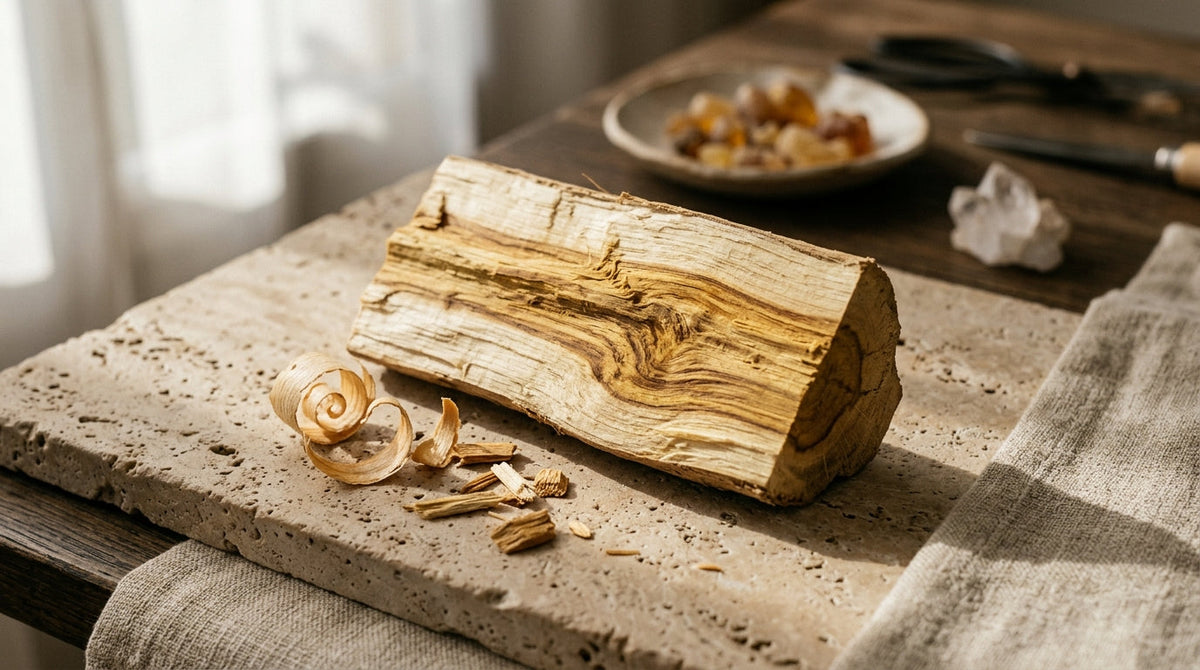
Sandalwood in perfumery: Mysore, Australia, New Caledonia
Sandalwood owes its milky, creamy scent to molecules that only certain species within the Santalum genus produce in significant quantities, and only after decades of growth. Between historic Mysore...
Read more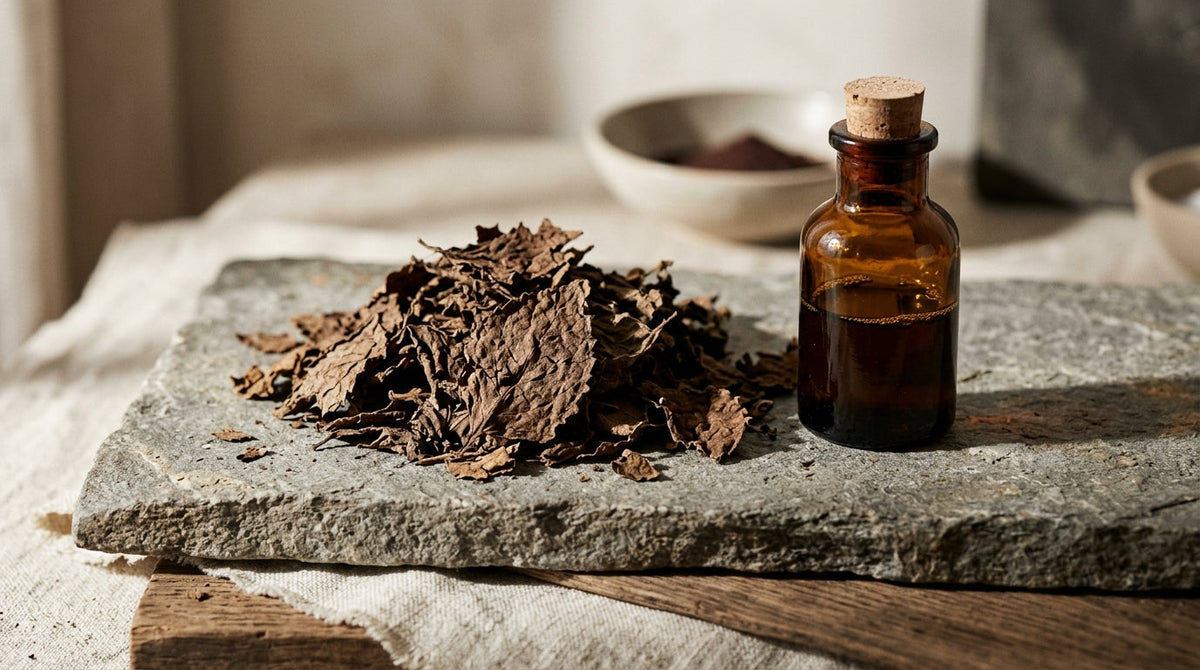
Patchouli in perfumery: from leaf to base note
Patchouli is a dried Indonesian leaf that is then steam-distilled, not a root as is often believed. This article explains the process that transforms a plant with a green scent into an earthy, wood...
Read more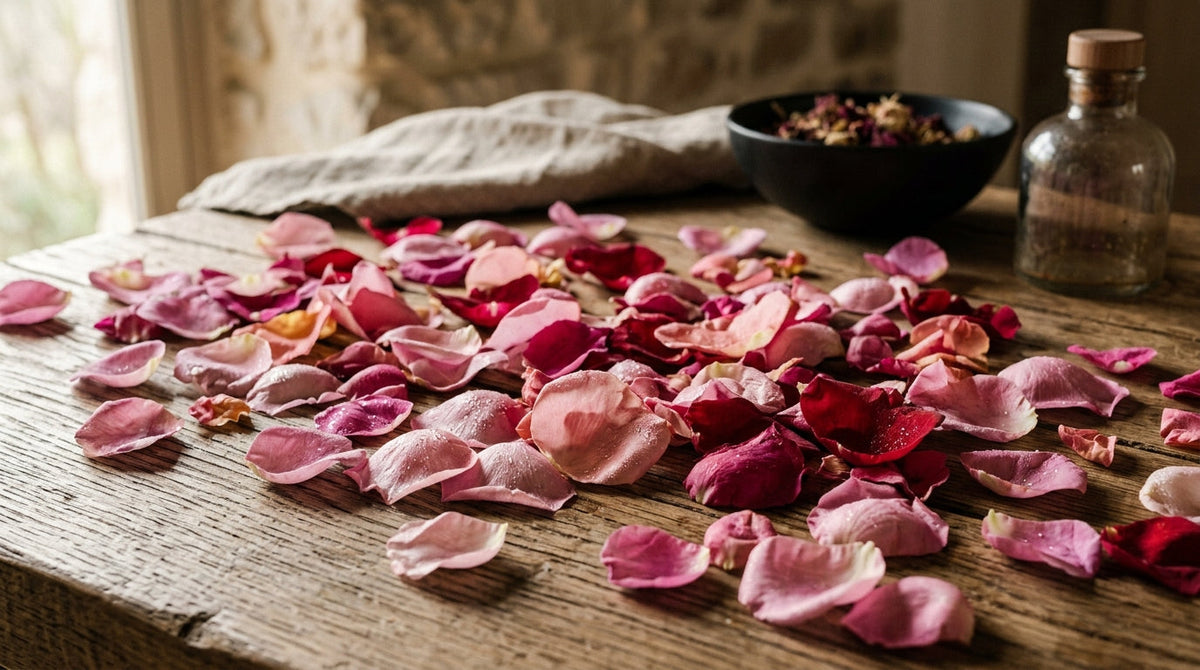
Rose in perfumery: Grasse, Turkey, Taif
The rose that scents a perfume bottle is almost never the flower from the garden: it is a raw material derived from two specific species, harvested in three regions of the world, and processed usin...
Read more
Musk in perfumery: from animal to molecule
The musk we smell in perfumes today is no longer animal at all: it comes from a laboratory. This article traces how a secretion from a deer, hunted until it was banned, was replaced by synthetic mo...
Read more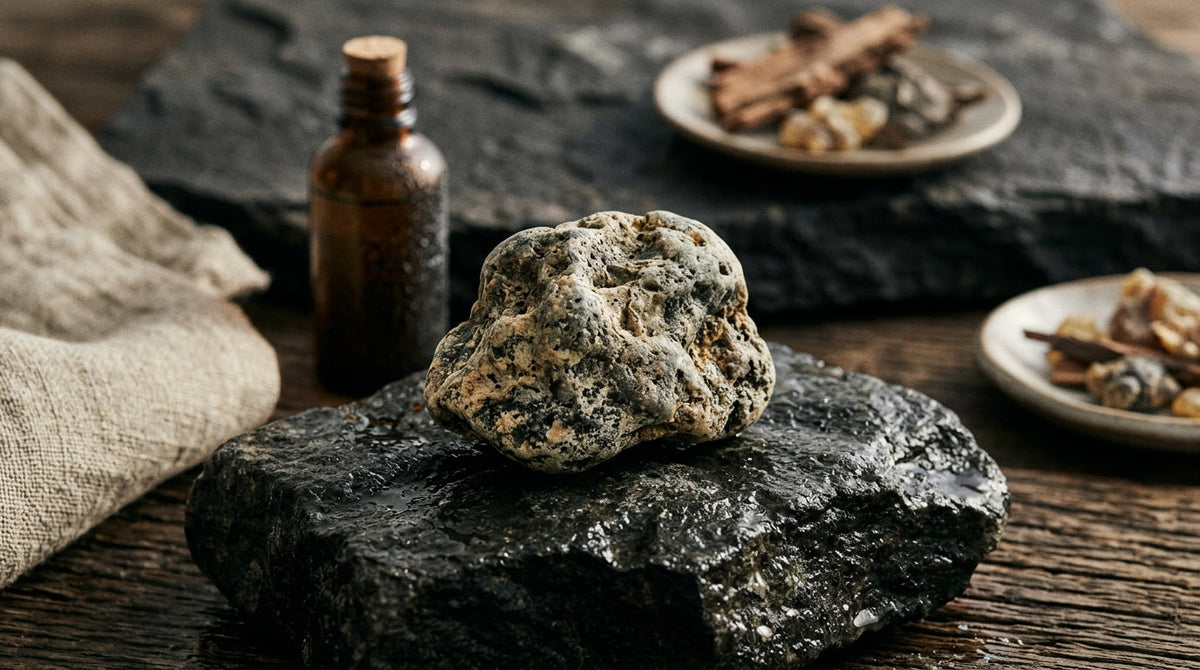
Ambergris, the amber of "oriental" fragrances, and ambroxan refer to three completely different things, yet perfumery terminology has confused them for decades. This article distinguishes between t...
Read more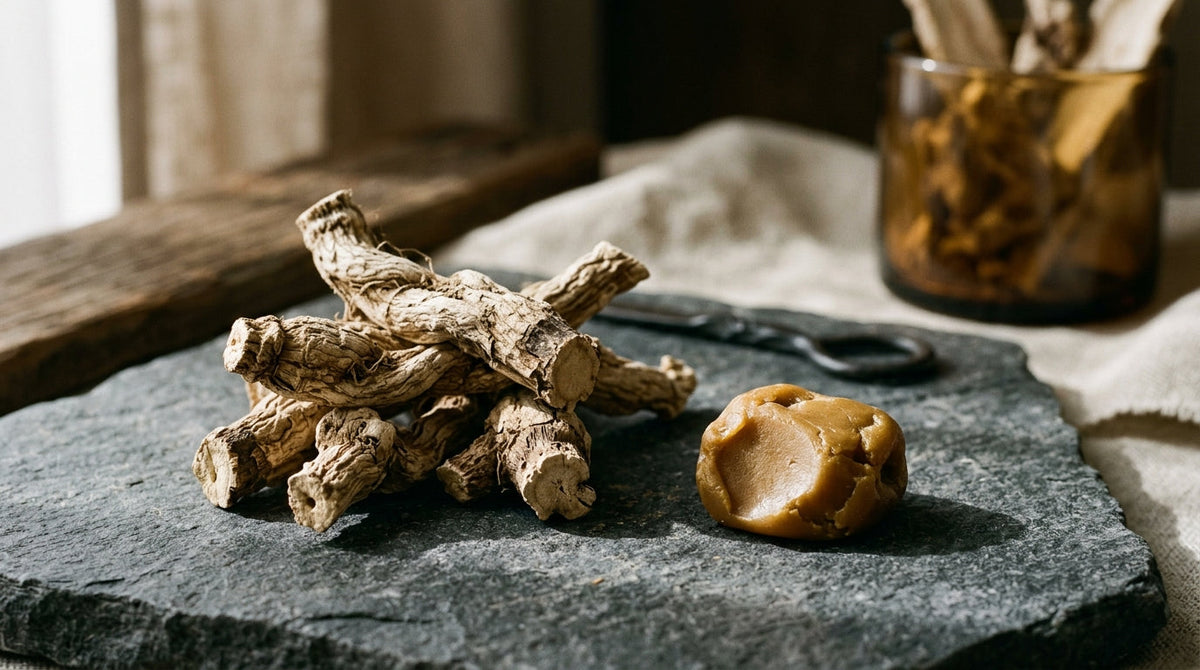
Iris: the most expensive ingredient in perfumery
Iris is not a flower but a rhizome, and this detail explains its price: it takes several years of drying before a butter with an extremely low yield can be extracted from it. This article details t...
Read more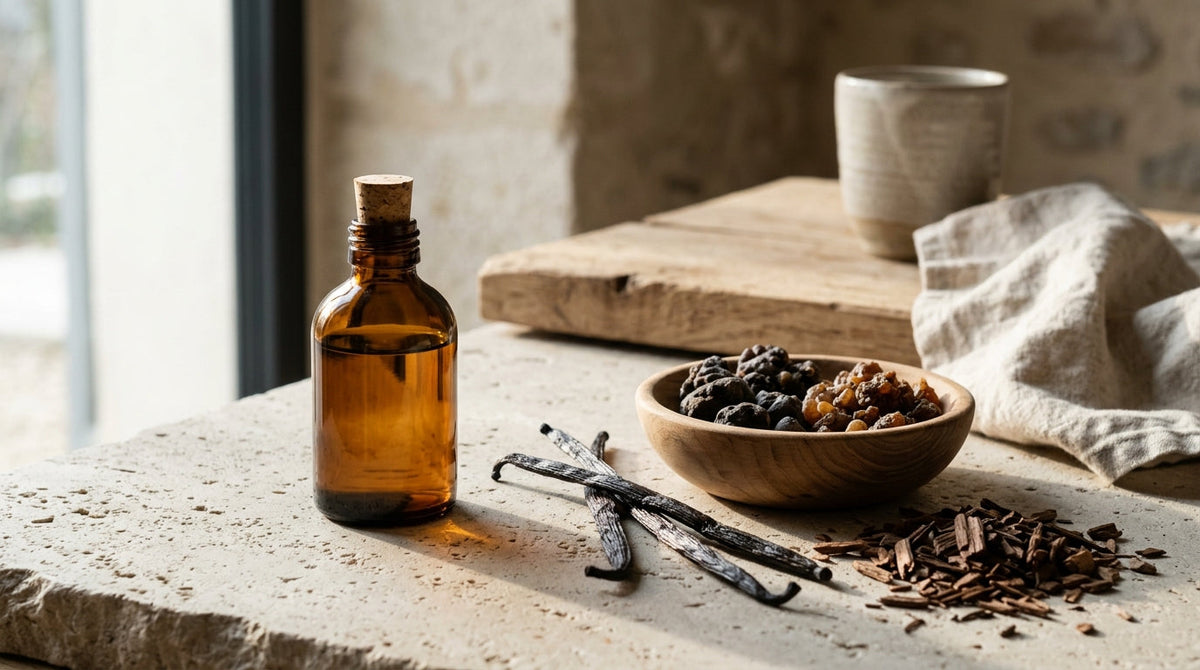
Why does a niche perfume cost more?
The price of a niche perfume can be explained by specific cost factors: a higher concentration of fragrance materials, natural ingredients purchased in small quantities, and smaller production batc...
Read more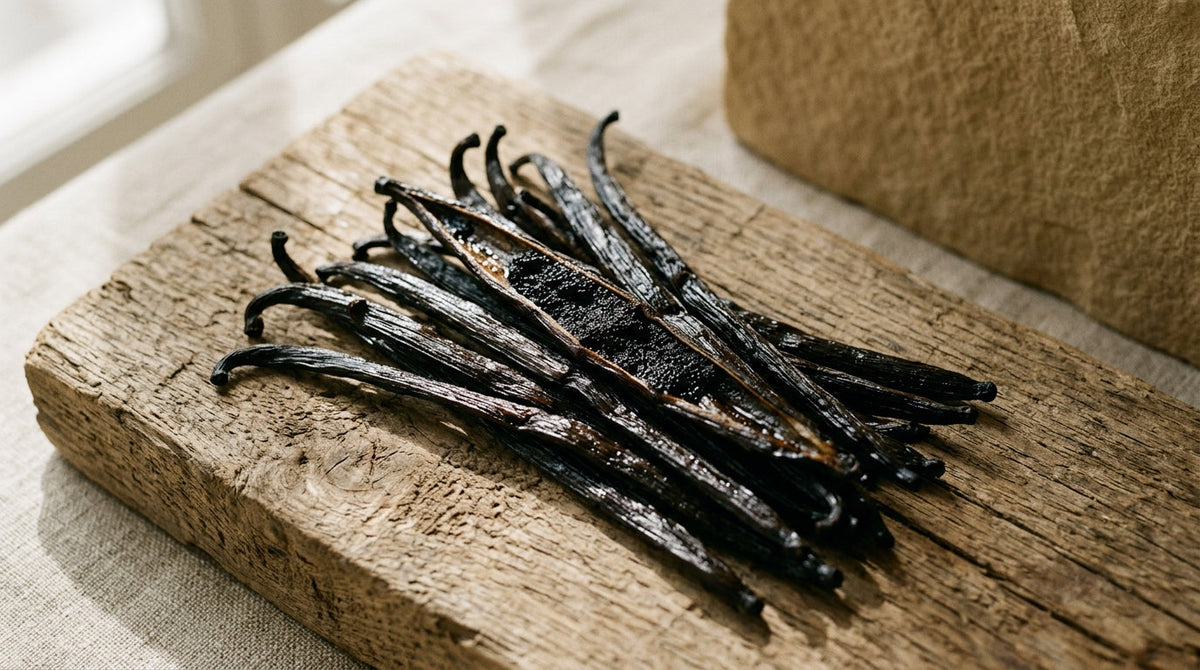
The price of vanilla is driven by a plant that cannot pollinate itself, entirely manual harvesting, and a drying process that can last up to nine months. Global prices add a rare degree of volatili...
Read more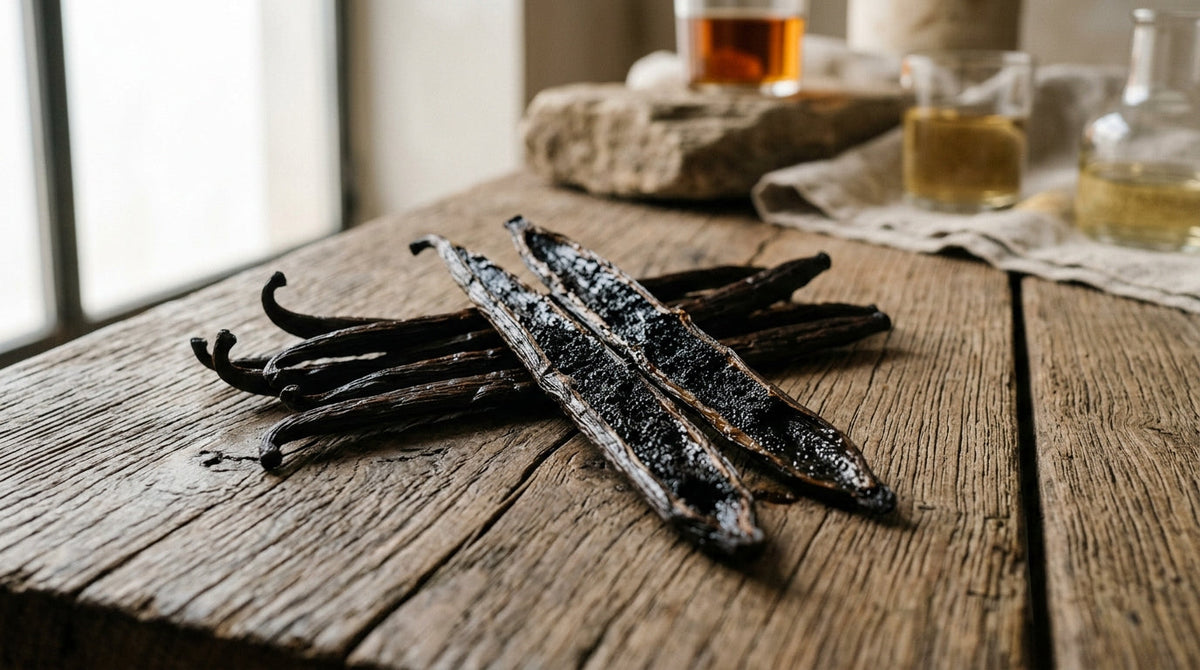
Vanilla from Madagascar, Tahiti, Uganda: the differences
Not all vanillas are alike: Madagascar, Tahiti, and Uganda produce pods from different species with distinct aromatic profiles. This article details what sets Vanilla planifolia apart from Vanilla ...
Read more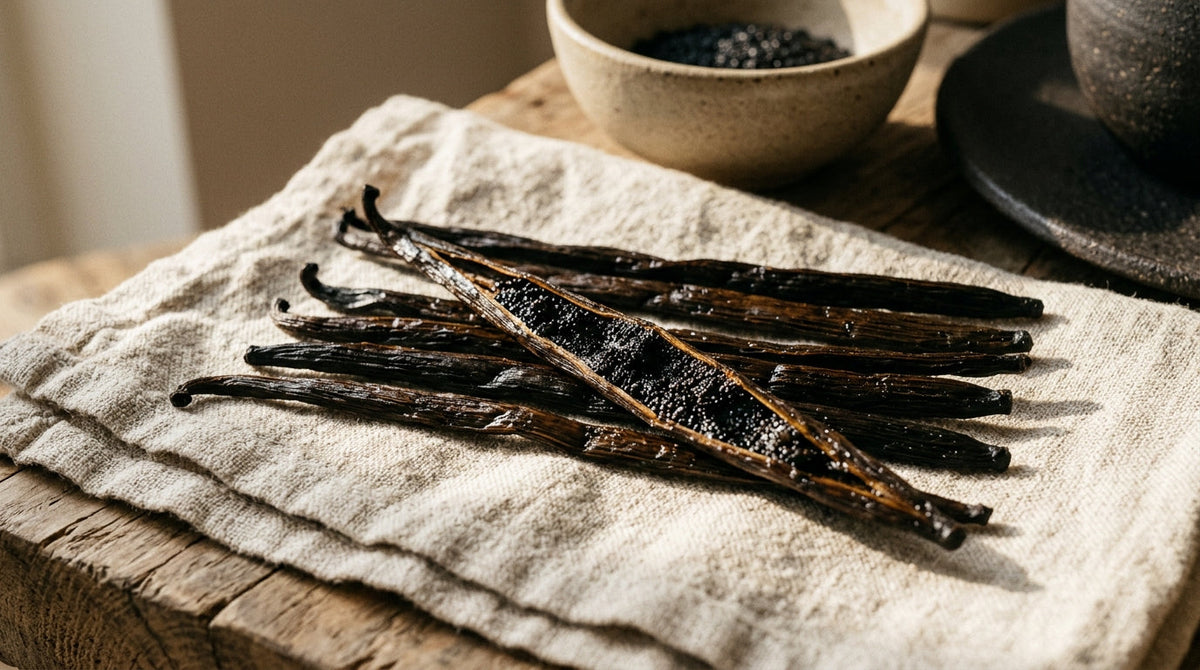
Vanilla in perfumery: from pod to absolute
The vanilla you smell in a perfume has nothing to do with the green pod harvested from the vine. Between the two lies a lengthy process lasting several months: blanching, steaming, drying, curing, ...
Read more
Niche & Exceptional Fragrances

Services and advice

France & International Delivery
Free pickup point · Free Colissimo delivery from €50

Free samples

Official Seller – Certified
