

The Odorare Circle
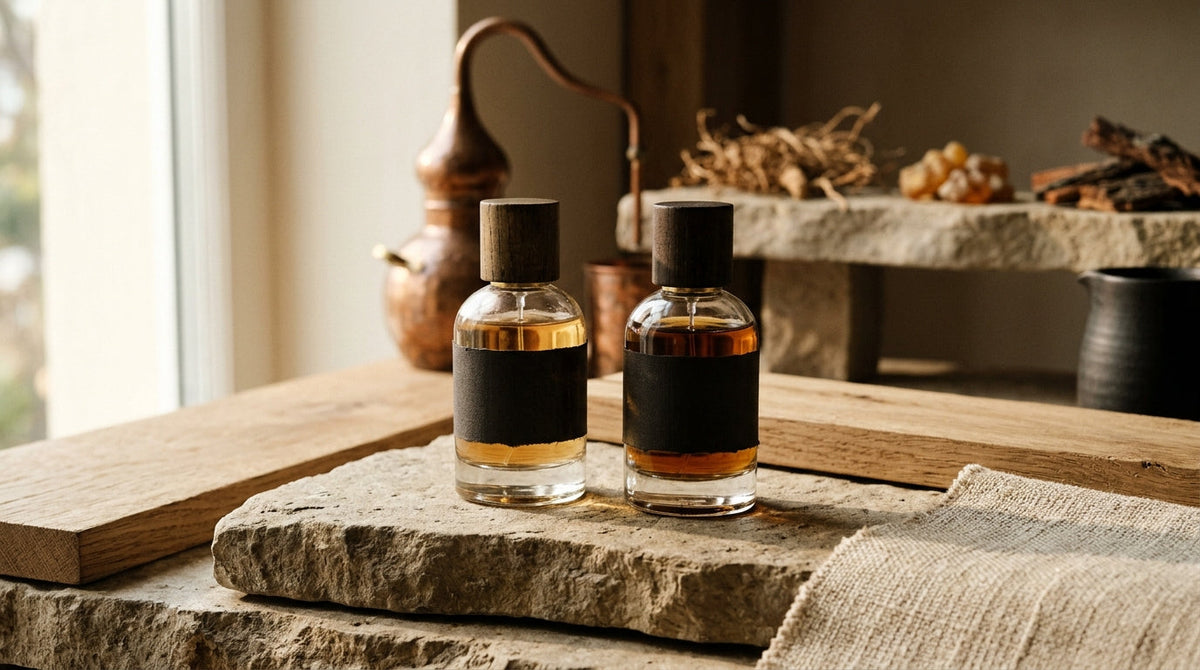
Pourquoi un parfum reformulé ou disparaît du marché
Un parfum change rarement de formule par caprice : la réglementation, le prix d'une matière première ou le rachat d'une maison en sont le plus souvent la cause. Cet article explique les quatre méca...
Read more
Jasmine in perfumery: Grasse, Egypt, India
The word "jasmine" covers two different flowers, harvested on two continents, which do not smell the same. The grandiflorum jasmine of Grasse and Egypt produces a round and honeyed absolute, while ...
Read more
Labdanum and benzoin: the resins of the amber accord
The amber accord found in so many fragrances has nothing to do with ambergris: it is most often based on two plant resins, labdanum from the cistus and benzoin from Styrax benzoin. This article exp...
Read more
Leather note in perfume: why it never smells like leather
The leather note in perfumery never smells like leather in the sense that you would smell a jacket or a saddle: it is an entirely reconstructed accord, built from birch tar, smoky resins, and synth...
Read more
Olibanum incense: from Oman to modern perfumery
Olibanum is a resin obtained from trees of the Boswellia genus, harvested by incision in the arid regions of Oman and the Horn of Africa. Its scent, both lemony and resinous, makes it one of the mo...
Read more
Vanillin: from pod to molecule
Vanillin is the molecule that gives vanilla its distinctive aroma, but it exists in several forms that do not smell exactly the same. This article explains where vanillin comes from—vanilla beans o...
Read more
Calabrian bergamot: why so many fragrances start with it
Bergamot opens an impressive number of compositions because it offers a citrus note that is both tangy and slightly floral, difficult to achieve with another citrus fruit. Calabria, in southern Ita...
Read more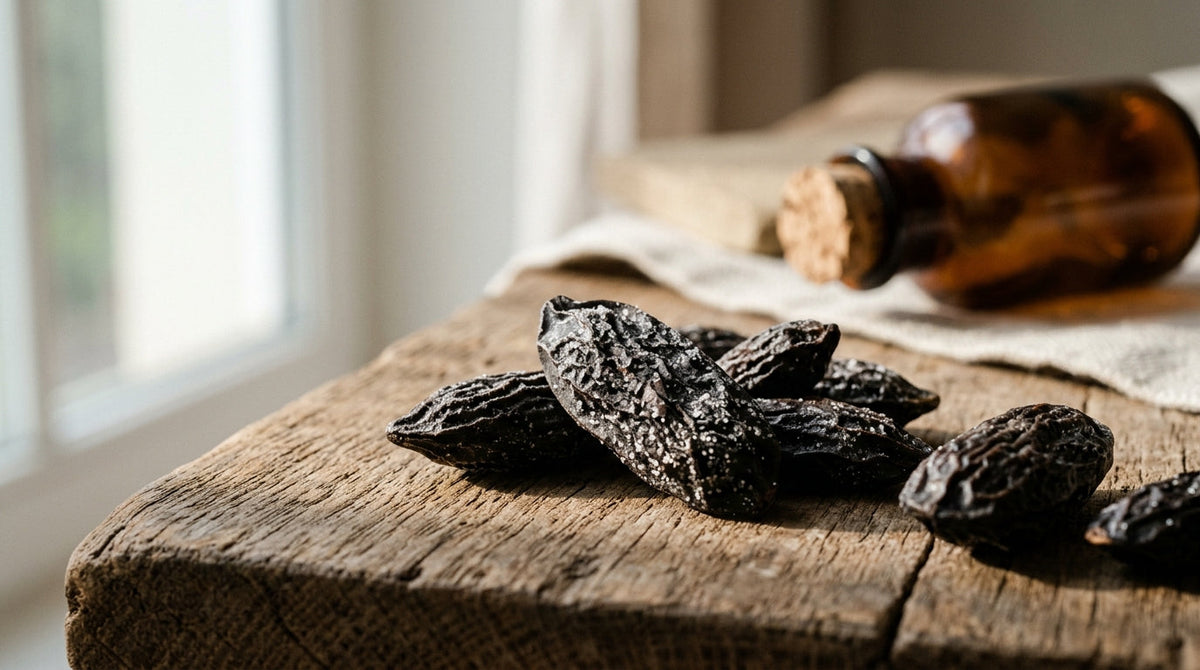
Tonka bean in perfume: coumarin and warm almond
The tonka bean owes its warm almond and freshly cut hay scent to a specific molecule: coumarin. Isolated and synthesized as early as the 19th century, this substance became established in perfumery...
Read more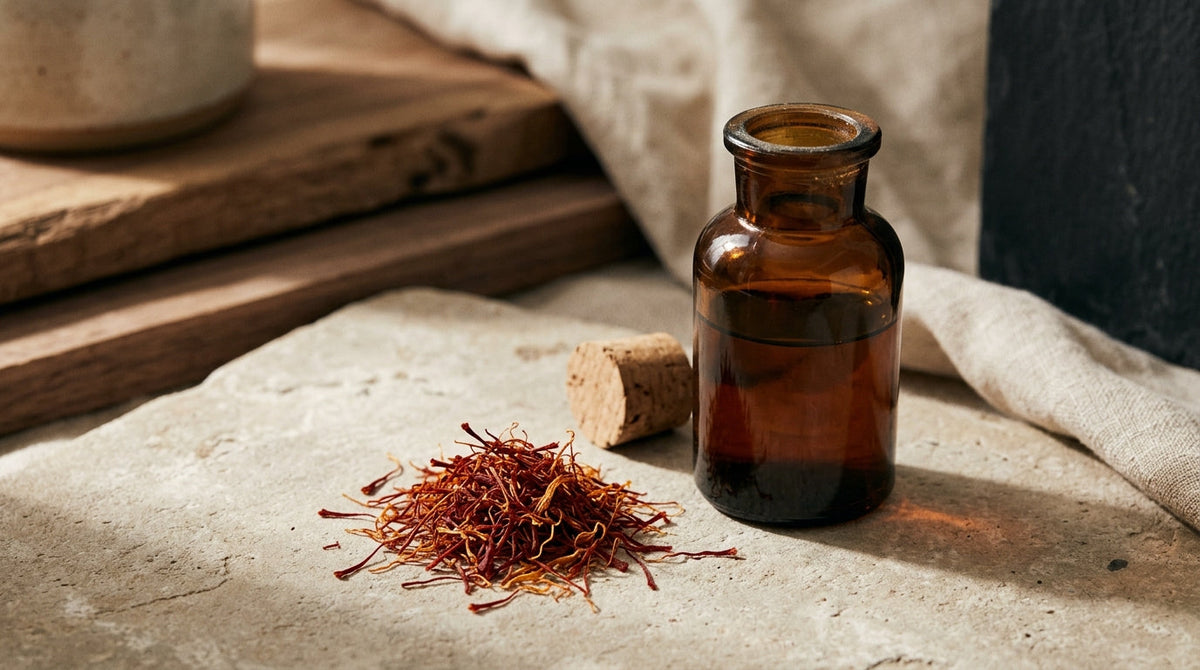
Saffron in perfumery: leather, honey and spice
Saffron gives fragrances a facet that is at once spicy, leathery, and slightly honeyed, rare for a single ingredient. This scent comes from a specific molecule, safranal, which perfumers most often...
Read more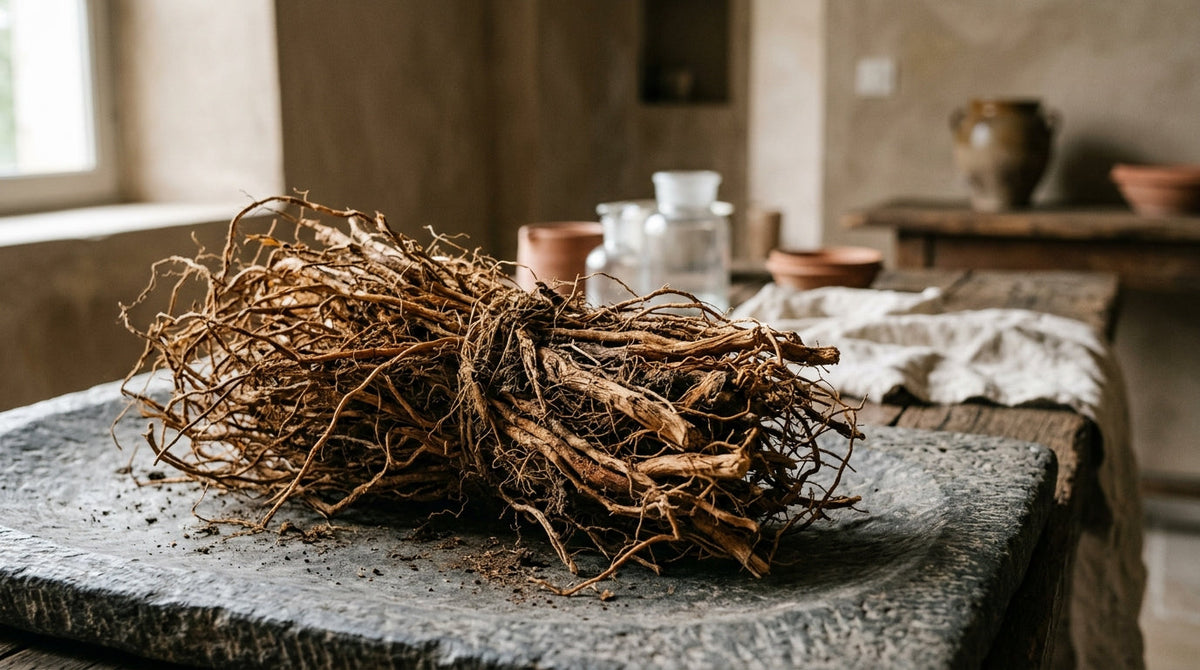
Vetiver in perfumery: the root that smells of earth
Vetiver is a root, not a grass: it is this botanical detail that explains its smoky earthy scent and its place in perfumery. Haiti, Java, and Réunion Island each produce a different version, depend...
Read more
Niche & Exceptional Fragrances

Services and advice

France & International Delivery
Free pickup point · Free Colissimo delivery from €50

Free samples

Official Seller – Certified
