

The Odorare Circle

Avicenna and Rose Distillation in the Middle Ages
In the 10th century, the Persian physician and scholar Avicenna perfected an ancient distillation process, turning it into a precision tool for processing roses. This article explores how the alemb...
Read more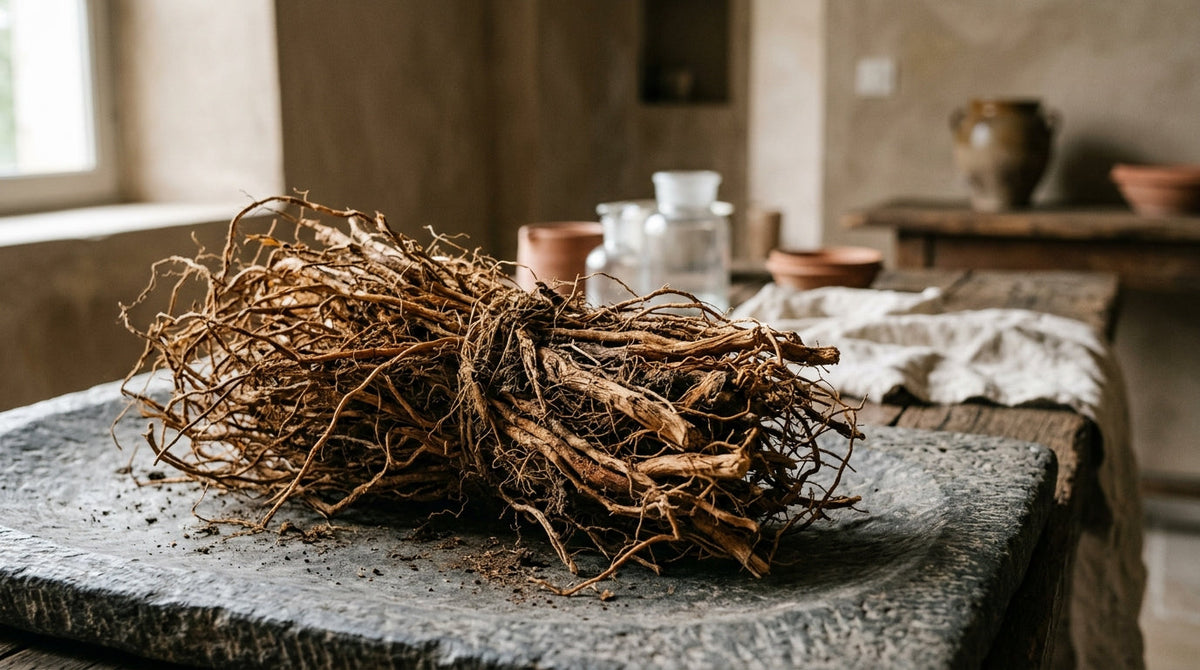
Vetiver in perfumery: the root that smells of earth
Vetiver is a root, not a grass: it is this botanical detail that explains its smoky earthy scent and its place in perfumery. Haiti, Java, and Réunion Island each produce a different version, depend...
Read more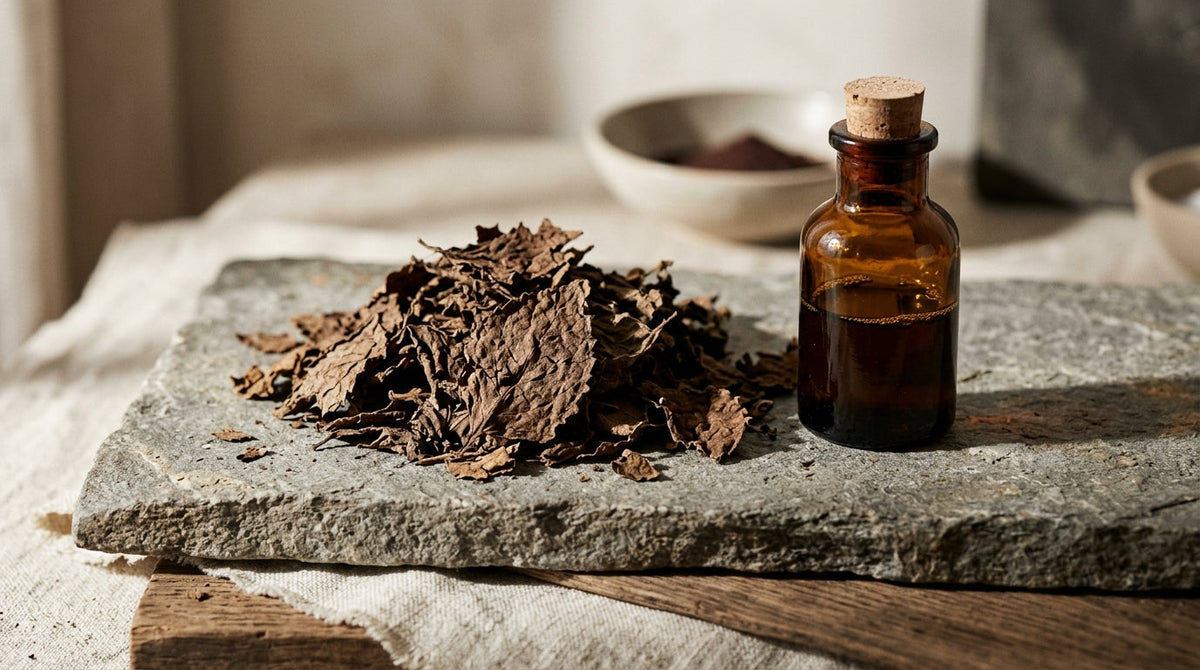
Patchouli in perfumery: from leaf to base note
Patchouli is a dried Indonesian leaf that is then steam-distilled, not a root as is often believed. This article explains the process that transforms a plant with a green scent into an earthy, wood...
Read more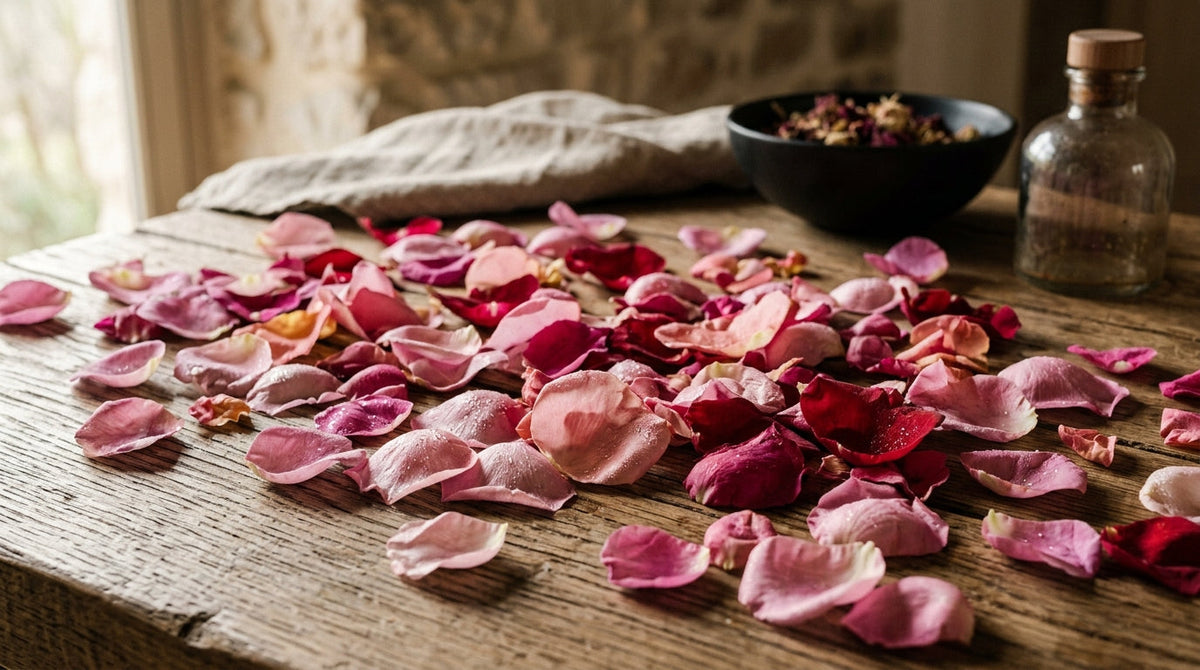
Rose in perfumery: Grasse, Turkey, Taif
The rose that scents a perfume bottle is almost never the flower from the garden: it is a raw material derived from two specific species, harvested in three regions of the world, and processed usin...
Read more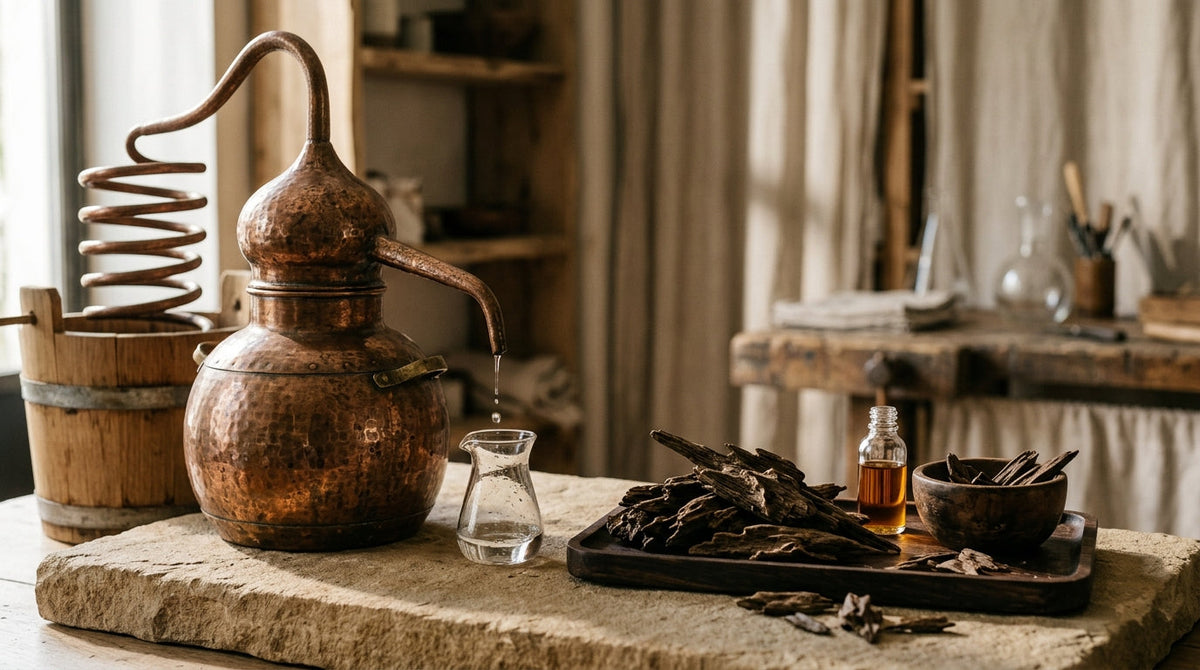
How is oud extracted? From tree to bottle
Oud is not harvested like a resin: it is an infected wood that must first be identified, then cut, reduced to chips, and distilled with water for several days. This article details the actual steps...
Read more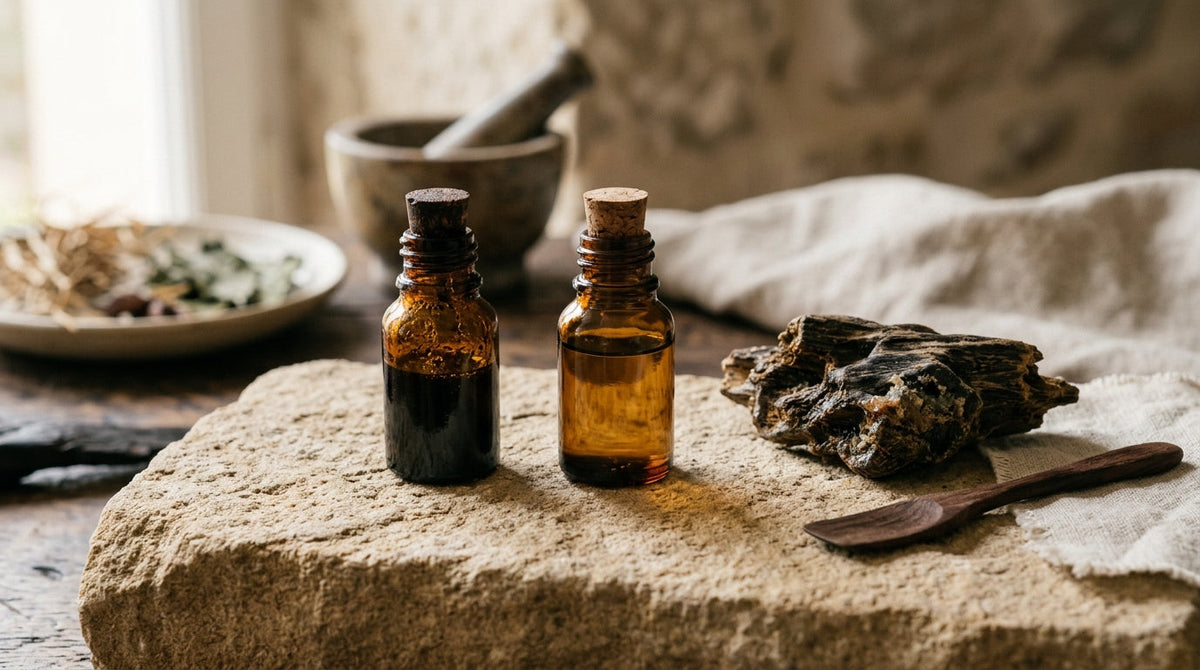
Natural or synthetic oud: what sets them apart
Natural oud comes from the resin of an infected wood, harvested in Southeast Asia and distilled in very small quantities. Synthetic oud, on the other hand, recreates this scent using stable aromati...
Read more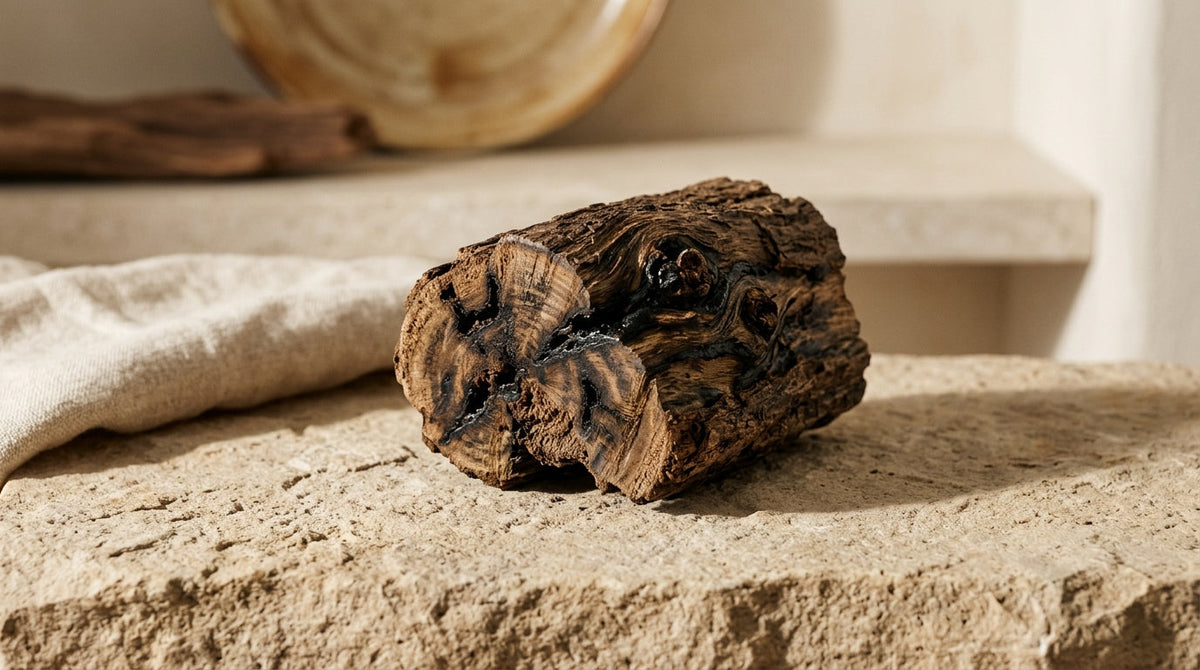
The price of oud is driven by three measurable factors: only a minority of trees become naturally infected and produce resin, distillation requires dozens of kilos of wood for just a few milliliter...
Read more
Niche & Exceptional Fragrances

Services and advice

France & International Delivery
Free pickup point · Free Colissimo delivery from €50

Free samples

Official Seller – Certified
