
The Odorare Circle
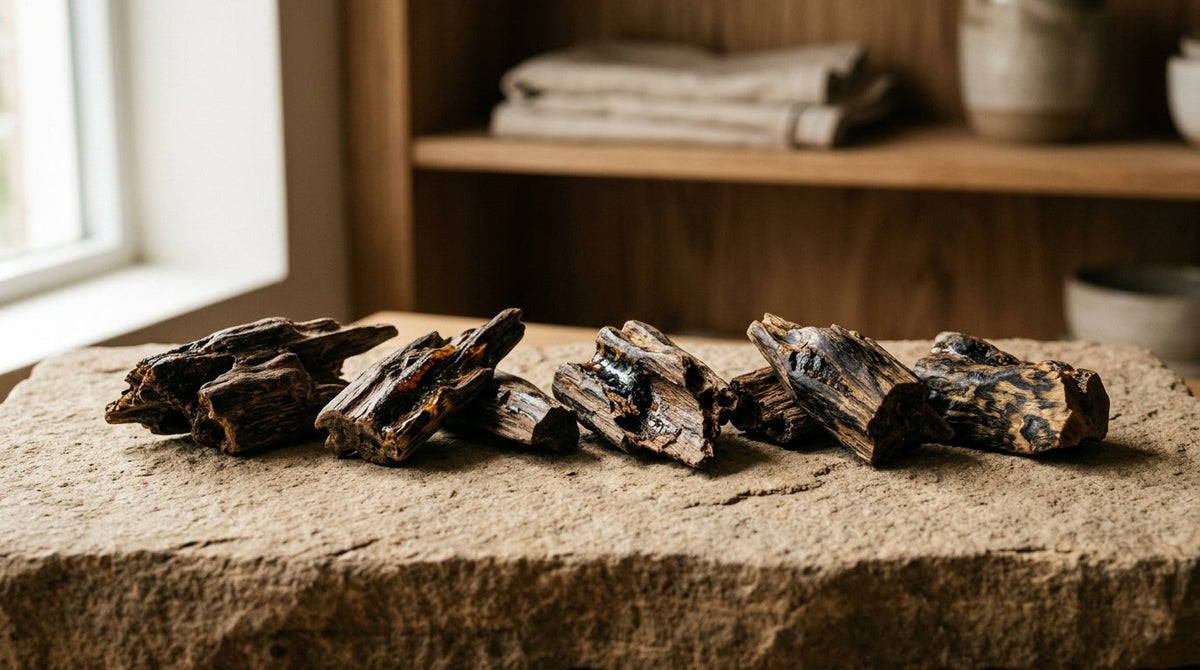
Cambodian, Indian, Laotian oud: identifying their origins
The word "oud" encompasses agarwood harvested in very different countries, from Cambodia to India, via Laos and Thailand. Each origin produces a distinct olfactory profile, linked to the climate, t...
Read more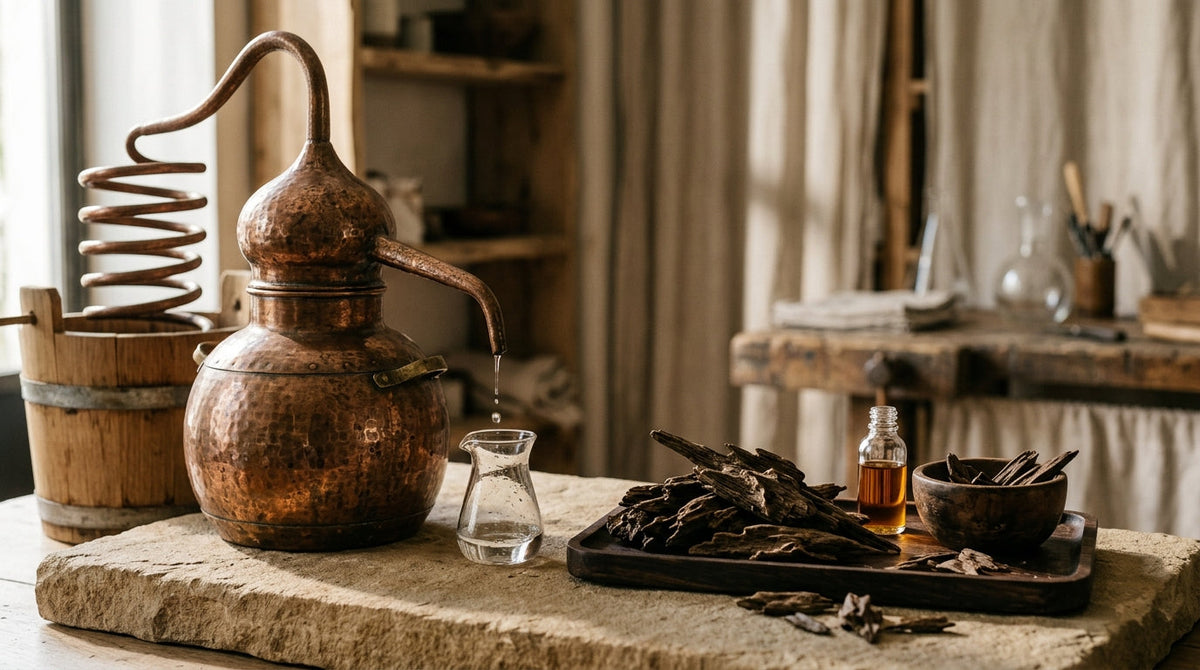
How is oud extracted? From tree to bottle
Oud is not harvested like a resin: it is an infected wood that must first be identified, then cut, reduced to chips, and distilled with water for several days. This article details the actual steps...
Read more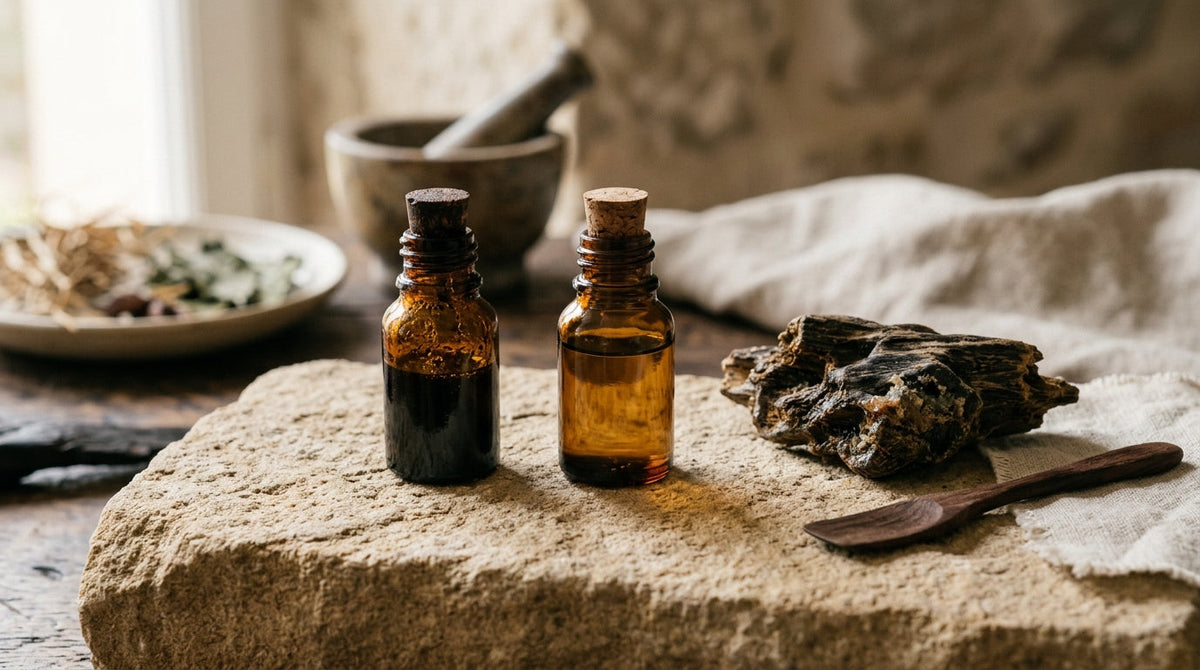
Natural or synthetic oud: what sets them apart
Natural oud comes from the resin of an infected wood, harvested in Southeast Asia and distilled in very small quantities. Synthetic oud, on the other hand, recreates this scent using stable aromati...
Read more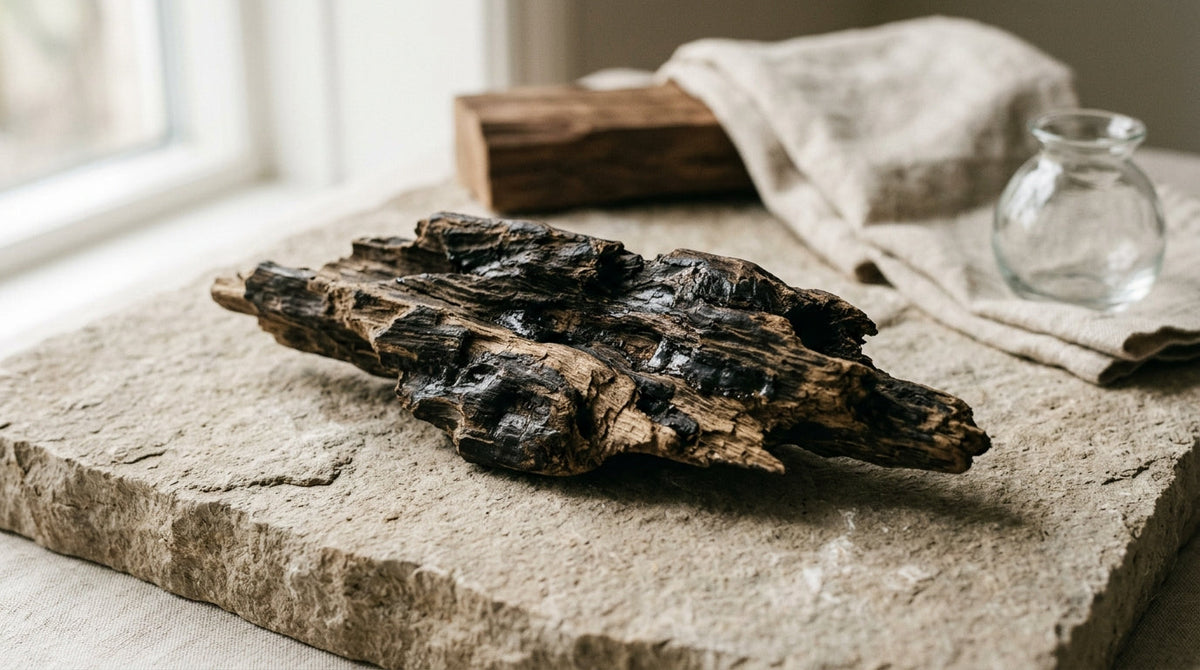
What is oud? The most expensive wood in perfumery
Oud is not a wood: it is a resin that certain trees produce to protect themselves from an infected wound. Fewer than one in ten wild trees contain it. What you need to know before buying your first...
Read more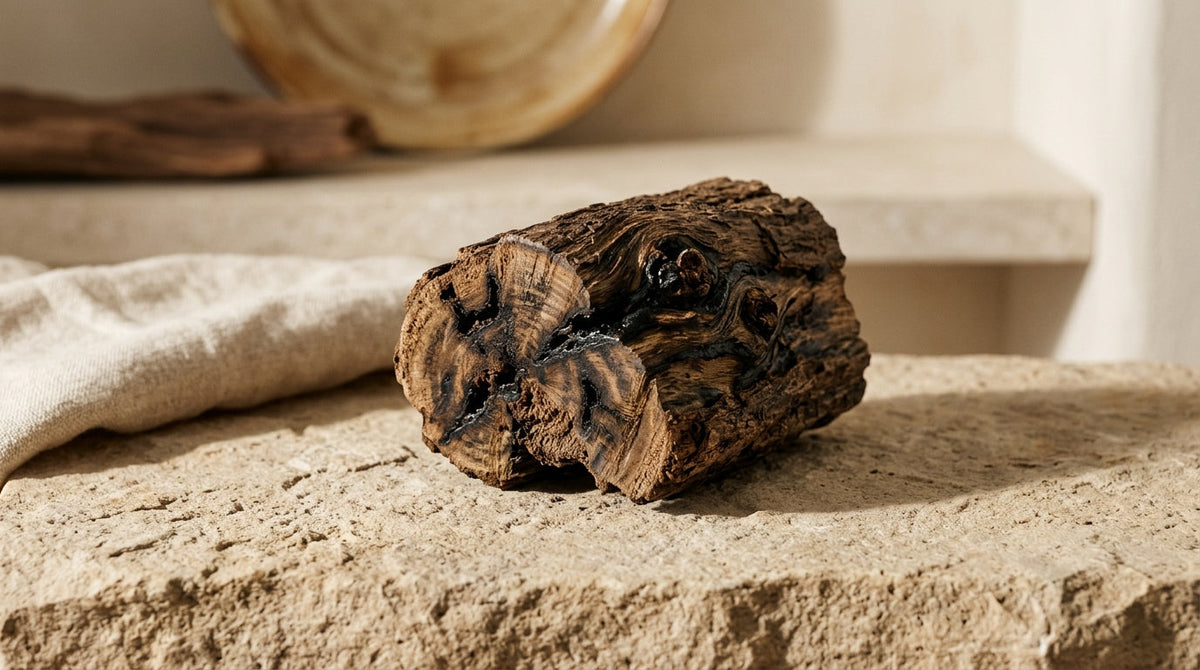
The price of oud is driven by three measurable factors: only a minority of trees become naturally infected and produce resin, distillation requires dozens of kilos of wood for just a few milliliter...
Read more
Niche & Exceptional Fragrances

Services and advice

France & International Delivery
Free pickup point · Free Colissimo delivery from €50

Free samples

Official Seller – Certified
